Loading…
AMD
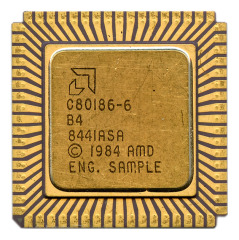
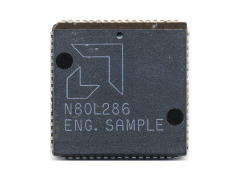
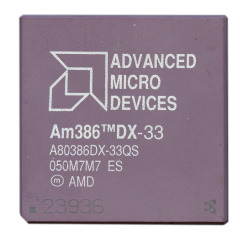
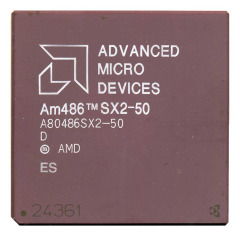
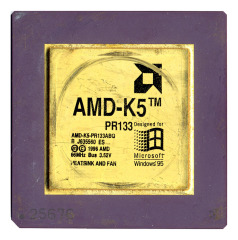
Funded May 1, 1969Advanced Micro Devices (AMD) was founded in 1969 as a semiconductor second-source supplier, initially producing logic devices and later licensed Intel-compatible processors. Its early CPU business was shaped by second-sourcing agreements with Intel, which eventually led to major legal disputes over x86 cross-licensing. Those battles were decisive: they allowed AMD to remain a viable x86 vendor and to transition from a clone manufacturer into an independent CPU designer. In the late 1980s and early 1990s, AMD commercialized the Am386 and Am486 families, which were broadly compatible with Intel’s counterparts but often more cost-effective, giving AMD a solid foothold in the PC market.
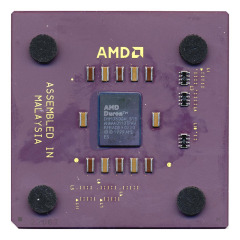
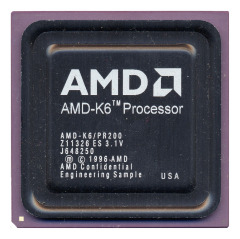
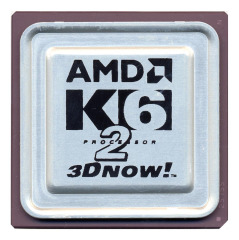
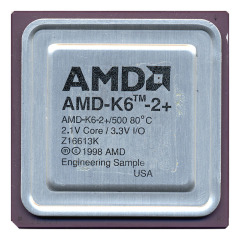
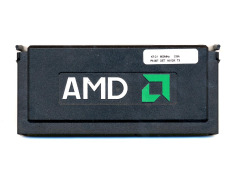
A major inflection point came in 1996 with the acquisition of NexGen. That deal brought AMD a far stronger microarchitecture team and directly enabled the K6 family, which improved AMD’s competitiveness in the Socket 7 era. The real breakthrough followed with the K7 Athlon in 1999: a completely different class of design, featuring a high-performance out-of-order core, a strong FPU, and an EV6-derived front-side bus licensed from DEC Alpha technology. Athlon allowed AMD to compete at the high end, not just on price, but on raw performance, and it became the first to reach the 1 GHz milestone in the desktop x86 market.